
Gathering your kit for your first Camino adventure can be an equally exciting and overwhelming experience.
What do you really need? How much weight should you carry?
Keeping it light and having the right gear will make a big difference to your Camino experience. You don’t want to forget the essentials or be weighed down by a monster backpack.
Ok, let’s keep it simple and start with the golden rule of Camino packing:
Less is More!
The best strategy for packing for the Camino de Santiago is to keep it light, you usually need less than you think.
The general rule is to carry no more than 10% of your total body weight – I prefer to carry a little less if possible.
The infrastructure on the Camino, particularly on the popular routes, has grown considerably over the past two decades and most towns and villages are well prepared to receive Pilgrims. This means that most items can be topped up (or replaced) somewhere along the route.
Over packing can be a real issue – not only will it slow you down, but it can also lead to injury. Carrying a lot of weight day after day for long stretches will take a considerable toll on your body. I’ve learnt this the hard way battling with everything from bruised hips, to shin splints.
What You Don’t Need
Here are some common packing mistakes I’ve made along the way:
Large amounts of toiletries: You don’t need enough toiletries to last the duration of your trip. You can top up at pharmacies and supermarkets on route – big bottles of shampoo add a lot of weight.
Expensive down jackets or sleeping bags: Although great bits of kit, these are not easy to launder and can get ruined in the process. It can be better to opt for cheaper, easy-to-wash synthetic options or accept the wear and tear these items will sustain.
Too many clothes: As tempting as it might be to pack that nice outfit for the evening you will get used to living in your hiking gear – trust me, you won’t stand out! Every other pilgrim will look the same, and your feet will thank you for it.
So now you know what to leave at home, what should you bring on the Camino?
What to Pack
A packing list is a really handy tool when gathering your kit and deciding what purchases to make. Need some help getting started? Download your FREE Camino Packing List and use the notes section to jot down any ideas as we go through the essentials below.
Backpack & Footwear
A good quality pair of boots/shoes and a comfortable backpack are an essential part of your kit and are the two items worth spending a little extra on.
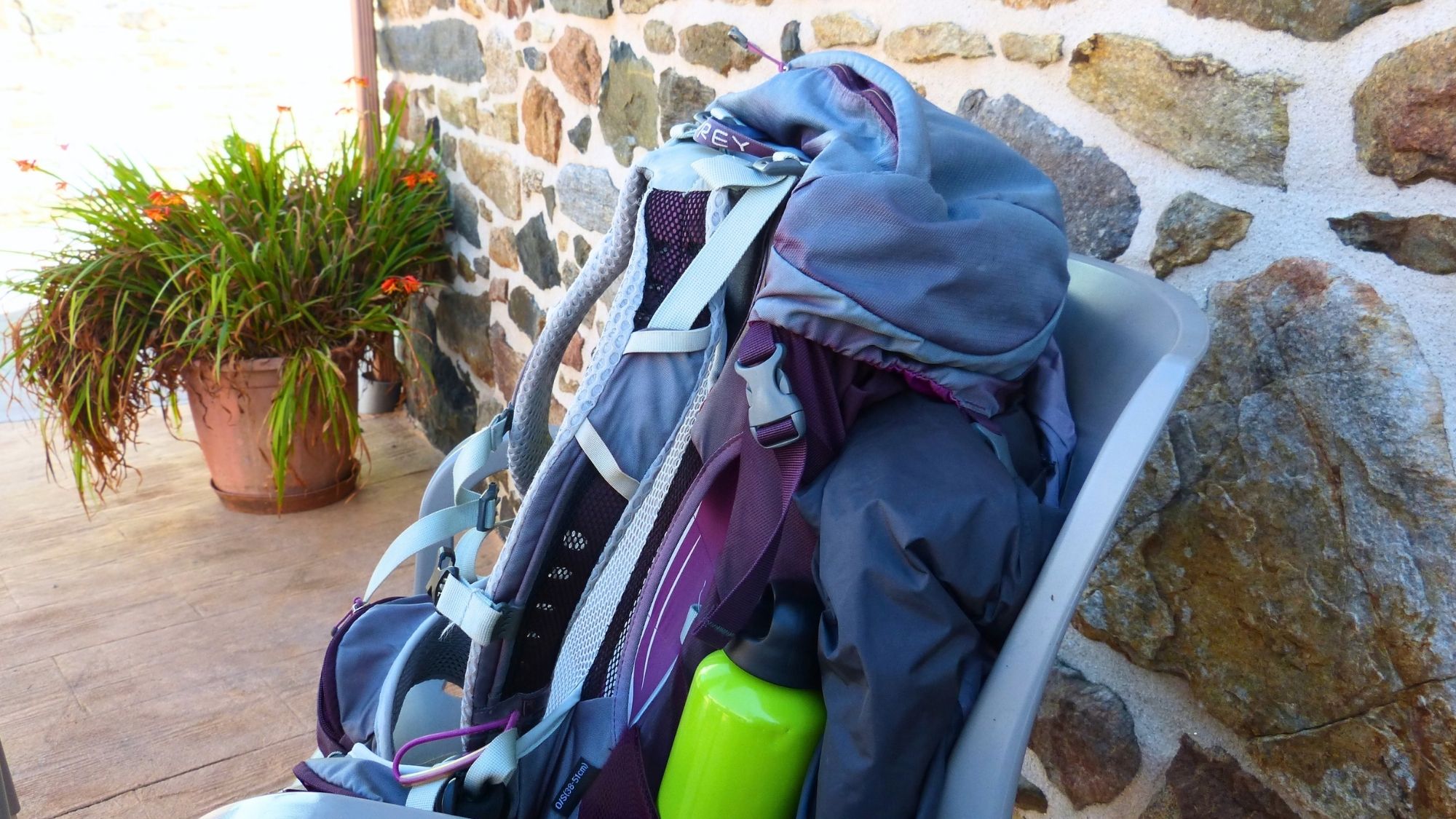
Choose a backpack with a waist strap to help distribute weight and protect your back. Keep it small – anything from 30 to 45 litres is ideal. The lighter, the better! Ensure it comes with a waterproof cover (or buy one separately) to protect your kit from heavy downpours. I’m a big fan of Osprey, I’ve found their packs super-comfy and amazingly durable.
When choosing between walking shoes and boots, it ultimately comes down to personal preference.
Many pilgrims these days opt for trail runners which can be a great option as they are breathable, quick drying and lightweight. However, they may not offer the same kind of protection on rocky and uneven ground, so if you are undertaking a more mountainous route like the Camino Primitivo you may want to consider a traditional hiking boot.
Whatever footwear you choose, ensure it is specifically designed for hiking. Fashion trainers or general sports shoes will likely lack the support required and may not last until you reach Santiago.
Hiking Clothes
Most pilgrim hostels offer hand-washing facilities and drying areas, making it possible to manage with just two sets of walking clothes during the warmer months – one for walking in and another to wear in the evening. Choose technical fabrics that are lightweight and quick-drying.
A hat is essential for protecting you against the sun, a baseball cap will do, but wide-brimmed to cover your face and neck is ideal. Don’t forget to pack some lightweight waterproof sandals for the shower and to wear around the hostel to air tired feet.
Waterproofs
The coastal routes and some regions in Spain are known for wet weather year-round, so waterproofs will be an essential part of your kit. A decent lightweight waterproof jacket is usually sufficient. You may prefer a hiking poncho, which is easy to throw on and has the added benefit of covering your backpack.
Hydration System
Ensure you carry plenty of water, typically 2-3 litres. This means you’ll need either refillable water bottles or a reservoir/water bladder. Personally, I prefer bottles – they’re simple to clean and it’s easy to monitor when you need a refill. I recommend investing in quality refillable bottles, rather than relying on single-use plastics. A brand like Nalgene is an good choice as their bottles are BPA-free.
Toiletries
Keep it light by opting for travel-sized items. Toiletries can be restocked in towns along the way. Some pilgrim hostels have an area where pilgrims can leave unwanted items, so fill your travel-sized bottles and leave the rest for other pilgrims. Also pack a lightweight microfibre towel to use when showering at albergues.
Pack sunscreen! Sometimes the midday sun is unavoidable, so choose a high-factor for the best protection.
Other Kit Bits
Many pilgrim hostels don’t provide bedding, so a sleeping bag is required if you plan to stay in albergues. During warmer months, a cotton or silk liner may be sufficient.
Blisters, bumps and bruises are common, so carry a small first aid kit including the essentials – like painkillers and blister plasters.
A head torch will be handy when packing a backpack in the dark or for early morning starts.
Don’t forget to bring a phone for emergencies and reservations, along with a European adapter and a data plan that covers the regions you’ll be hiking through.
ID, Money and Documents
To check in at all accommodations, you will need identification, such as an ID card or passport. If you plan on staying in the official Pilgrim’s Hostels, you will also need a Pilgrim’s Passport.
Carry enough euros for a few nights’ accommodation and meals – ATMs are readily available in towns and cities along the route. It’s also wise to carry an additional credit card for emergencies.
Print out a copy of your travel insurance documents and check if your country of residence has a reciprocal agreement for emergency medical services such as the EHIC or GHIC card. Apply for this before you go, and bring it with you.
My Top Packing Tips
- Wear your primary hiking footwear on the flight out, a tried and tested (well broken-in) pair of boots is not easily replaced if luggage gets lost.
- Bring a small rucksack or tote bag for keeping valuables with you. Some shops and bars request large backpacks be left outside.
- Carry a little toilet paper, during busy periods albergues and bars sometimes run short… I’ve been caught out a few times with this one!
- Choose a hydration system with the capacity to carry plenty of water – 2-3 litres is recommended. Many stages will have fountains, but in hot summer months these can sometimes run dry.
- Consider a lightweight hiking umbrella. It’ll offer you protection from the sun on long stretches with little shade available. Particularly useful for the long stages across the Meseta on the Camino Francés.
Now you have a clear idea of what to bring on your Camino it’s time to start gathering your kit. If overwhelm starts to creep in, keep it simple and remember the golden rule:
When packing for the Camino de Santiago, less is most definitely more!
Want more helpful tips and practical advice? You can read more articles on how to prepare for the journey here.
Happy Camino Packing!